
Cultural perspectives on gambling understanding the global tapestry
The Historical Roots of Gambling
Gambling has been a part of human history for centuries, evolving through various cultures and societies. Its origins can be traced back to ancient civilizations, where games of chance were often linked to rituals and religious practices. For example, dice dating back to 3000 BC have been found in archaeological sites in ancient India and Mesopotamia, illustrating that the allure of betting on uncertain outcomes is deeply embedded in human culture. Today, many people explore this interest through platforms like vibe-bet.com, which offers a wide range of options for new players.
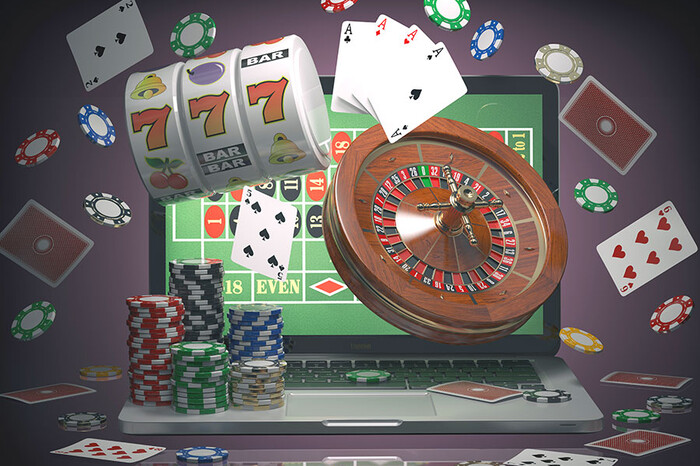
As societies developed, so did their perceptions of gambling. In some cultures, it was seen as a noble activity, often associated with bravery and skill, while in others, it was regarded as a vice or sin. This duality continues to shape contemporary views on gambling, influencing laws, social norms, and individual behaviors around the globe.
Cultural Attitudes Towards Gambling
The cultural context significantly impacts how gambling is viewed and practiced. In countries like the United States, gambling is often associated with entertainment and economic opportunity, leading to a thriving industry. Conversely, in nations such as China, gambling is deeply intertwined with cultural beliefs and practices, such as the Lunar New Year festivities, where games of chance are integral to celebrations.
Moreover, cultural attitudes can affect how gambling is regulated. For instance, in many Western countries, gambling is widely accepted and regulated by the government. In contrast, in some Middle Eastern countries, strict religious laws prohibit gambling altogether, reflecting the diverse moral frameworks that exist globally.
The Social Impact of Gambling
Gambling’s influence extends beyond individual experiences; it affects families and communities as well. In many cultures, gambling can lead to significant social issues, including addiction and financial instability. The stigma surrounding problem gambling can lead to isolation and shame, further complicating the social fabric of affected communities.
On the flip side, in some cultures, gambling can serve as a social activity, fostering community interaction and connection. Events such as poker nights or casino outings can bring people together, creating bonds and shared experiences. This dual nature of gambling underscores its complex role in society, balancing between a source of joy and a potential catalyst for harm.
Gambling in the Digital Age
The advent of technology has transformed gambling significantly, introducing online platforms that allow players to engage from the comfort of their homes. This shift has opened up new avenues for gambling and has made it more accessible than ever. The rise of online casinos, mobile betting apps, and live dealer games has created a global gaming community that transcends geographical boundaries.
However, this digital evolution also brings challenges, including issues related to addiction and the need for responsible gaming practices. Different cultures are responding to these challenges in various ways, with some advocating for stricter regulations while others embrace the opportunities that online gambling presents for economic growth.

Exploring VibeBet Casino
VibeBet Casino exemplifies the modern evolution of gambling, offering a diverse array of games within a secure and user-friendly environment. With over 4,000 options, including slots, table games, and live dealer experiences, it caters to a global audience, reflecting the multicultural tapestry of today’s gambling landscape.
New players at VibeBet can benefit from generous bonuses and promotions, making it an attractive option for beginners. Additionally, the emphasis on security and customer support showcases a commitment to providing a safe gaming environment. As online gambling continues to grow, platforms like VibeBet play a crucial role in shaping the future of this dynamic industry.
Recent Comments