
The Allure of Risk and Reward
The thrill of gambling is deeply rooted in the psychological interplay of risk and reward. Casino games are designed to create an environment where players experience a rush of excitement, especially at the prospect of winning. This anticipation can trigger the release of dopamine, a neurotransmitter that plays a significant role in pleasure and reward-seeking behaviors. Players looking for the best betting sites australia can find options that enhance their experience, creating an addictive cycle that keeps them returning for more, drawn by the possibility of hitting it big.
Moreover, the concept of risk and reward is foundational in shaping player attitudes toward casino games. Many individuals are naturally inclined to take risks, particularly when the potential benefits seem substantial. The excitement of betting a small amount for the chance to win a larger jackpot cultivates a unique thrill that traditional investments or savings cannot replicate. This enticing dynamic is further enhanced by the social environment of casinos, where players often gamble in groups, amplifying the shared thrill and excitement of risking it all.
Additionally, the design of casino games plays a crucial role in the psychology of risk-taking. For example, games with progressive jackpots create an ongoing sense of urgency and anticipation, encouraging players to participate in hopes of their lucky moment. The atmosphere in a casino, filled with lights, sounds, and the collective energy of other players, serves to further increase the attraction of engaging in high-risk games. This carefully crafted environment stimulates emotional responses that reinforce the players’ engagement, thus deepening their relationship with gambling.
The Role of Cognitive Biases
Cognitive biases significantly influence how players perceive odds and outcomes in casino games. One of the most prominent biases is the illusion of control, where players believe they have more influence over a random game than they actually do. For instance, someone might believe that using specific strategies can sway the outcome in games of chance, like slot machines or roulette. This illusion creates a false sense of security that can lead to increased gambling, as players feel empowered despite the randomness of the games.
Another common cognitive bias in gambling is the gambler’s fallacy, which is the belief that past outcomes affect future results in independent events. For example, a player may think that since a particular number has not come up in several rounds of a roulette game, it is ‘due’ to come up soon. This misunderstanding of probability can lead to irrational betting behaviors, as players attempt to outsmart the game, often leading to larger bets that can exacerbate losses.

These cognitive biases have real consequences on gambling behavior. Casinos often exploit these psychological tendencies by promoting games that accentuate perceived skill and control, encouraging players to engage in more risky behaviors. The establishment of loyalty programs and bonuses further feeds into players’ biases, fostering an environment where individuals feel their bets are validated, despite the inherent randomness of casino games. This psychological manipulation is a crucial element in sustaining the gambling industry.
The Impact of Environment on Gambling Behavior
The physical environment of a casino has a profound impact on player behavior and decision-making. Casinos are meticulously designed to create an immersive experience that distracts players from the passing of time and their surroundings. The use of bright colors, ambient sounds, and enticing scents all work together to create a stimulating atmosphere that encourages prolonged play. For instance, the absence of clocks and windows creates a sense of timelessness, causing players to lose track of how long they have been gambling.
In addition to sensory stimulation, the layout of a casino plays a significant role in guiding player behavior. High-stakes areas are often separated from lower-stakes sections, subtly influencing where players choose to place their bets. This strategic placement encourages players to aim for larger rewards while fostering a sense of exclusivity and prestige. Moreover, social spaces such as bars and lounges are integrated into the casino environment, providing opportunities for social interaction that enhance emotional engagement with the games.
The environment also influences emotional responses to wins and losses. For example, when a player experiences a win, the noise and celebration around them amplify their emotions, making the victory feel even more significant. Conversely, during a losing streak, the surrounding atmosphere can either intensify feelings of frustration or provide a distraction from losses. Casinos harness these environmental cues to manipulate player emotions and behaviors, maximizing their gaming experience and subsequent spending.
The Psychology of Loyalty and Rewards
Loyalty programs in casinos are structured to capitalize on the human desire for recognition and reward, providing players with incentives to return. By offering points, bonuses, and exclusive rewards, casinos create a sense of belonging and appreciation among their players. This approach taps into intrinsic motivations and encourages players to increase their spending in pursuit of rewards. The psychology behind these systems lies in the gratification that comes from earning a reward, reinforcing behavior that aligns with casino interests.
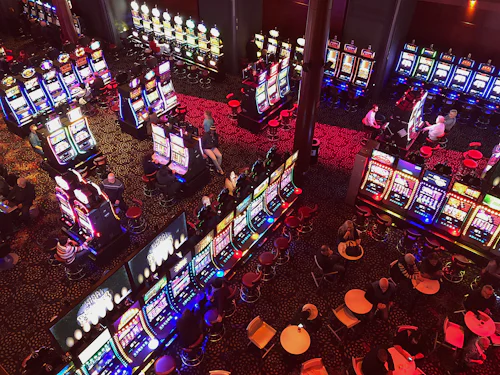
Additionally, the experience of variable rewards plays a critical role in player loyalty. Much like the unpredictable nature of slot machines, where wins are sporadic yet thrilling, loyalty programs often provide rewards at irregular intervals. This unpredictability keeps players engaged, as they continuously seek the next reward, similar to how a slot machine can keep players pulling the lever in hopes of a payout. This technique aligns with behavioral psychology, where the element of surprise enhances the overall gambling experience.
As players become more embedded in a casino’s loyalty program, their sense of identity often becomes intertwined with their gambling habits. Over time, regular players may feel a sense of ownership and attachment to the casino, fostering loyalty that can be difficult to break. This emotional investment is powerful, as it can outweigh rational decision-making, prompting players to ignore negative outcomes in favor of future potential gains. The combination of psychological rewards and social identity solidifies a player’s commitment to a particular gaming establishment.
The Future of Gambling Psychology
As technology continues to evolve, the psychology behind gambling is likely to see new dimensions. Online casinos, mobile gaming apps, and virtual reality experiences are transforming how players engage with games. These advancements will not only expand on existing psychological principles but also introduce new variables that can influence player behavior. Concepts like gamification, where gaming mechanics are applied to non-gaming contexts, may enhance engagement and create more personalized experiences that could drive further immersion into gambling.
The rise of data analytics in the gambling sector also presents opportunities to tailor experiences based on individual player behavior. By understanding preferences, patterns, and psychological triggers, casinos can develop targeted strategies to enhance player engagement and retention. This data-driven approach offers a fresh lens through which to consider the psychology of gambling, as it allows for deeper insights into player motivations and behaviors.
As we move forward, greater attention will also be directed towards responsible gambling practices. Understanding the psychological factors behind gambling will be crucial in developing tools and resources that promote safe play. The emphasis on mental health and the psychological impact of gambling will shape future discussions and regulations surrounding the industry, ensuring that a balance exists between entertainment and responsible behavior.
Recent Comments